
CinemAsia 2026: Finding Common Ground
Celebrating authenticity and plurality since 2003
How do we find common ground in an increasingly divided world? It’s a question countless people around the world are trying to answer in a million different ways. In a polarized world, the gentle power of storytelling plays a key role in building dialogue between people, communities, and political forces. Behind our words, skin color, and politics lie the commons: our “shared ground, history, and humanity”, as CinemAsia puts it.
CinemAsia is a platform for Asian creatives to share their voices and amplify narratives that celebrate authenticity and plurality. What started as an event for the Asian queer diaspora in the Netherlands has grown into an annual festival enjoyed by diverse audiences. While not an explicitly political event, the very act of highlighting diversity is a form of resistance in today’s world. Over five days, Amsterdam’s Eye Filmmuseum, Studio K, and Rialto hosted conversations which showed Asia and its people are anything but a monolith.
This year, the festival hosted Journeys, a shorts programme highlighting Dutch-Asian filmmakers, New Visions, which highlighted debut feature films from emerging Asian creatives; as well as the festival favourite Karaoke Night; a lively Food Market; and the Queer Nongkrong, an afternoon reserved for the queer Asian community. Here's a dive into just a few of the films and events we enjoyed this year:
Official trailer for Becoming Human. Cambodia, 2025, 99’.
Opening film: Becoming Human | ជាតិជាមនុស្សា by Polen Ly
In Becoming Human, the living and the dead coexist in a poetic exploration of historical memory, loss, and understanding. Thida, who refuses to become human once again, says: “Being a ghost isn’t so bad, nobody can’t hurt me.” Hai adds: “But you can’t do anything.” To which, she responds: “But at least, I don’t have to be afraid all the time.” Hai says: “What can we do? Where there’s life, there’s suffering.” (Later, in another scene, an older soul adds: “…rebirth is like the lottery. If you’re born rich, you’ve got it all. If you’re born poor, you suffer. I don’t want to taste it.” This tension is central to humanity: we hold different truths and perspectives which often collide.
The film also shows how swiftly violence affects us. “My soul didn’t even realise I was dead. It was too sudden”, says Thida. Violence comes in many forms, not only in the shape of something physical, but also verbal, or “a whiff in the air”. What is unanimous is the aftermath: the victim must deal with the consequences, more often than not, in solitude. In our everyday life, this translates into innocuous remarks on our race, our body, our heritage, which eats away at the mental health of the Asian diaspora.
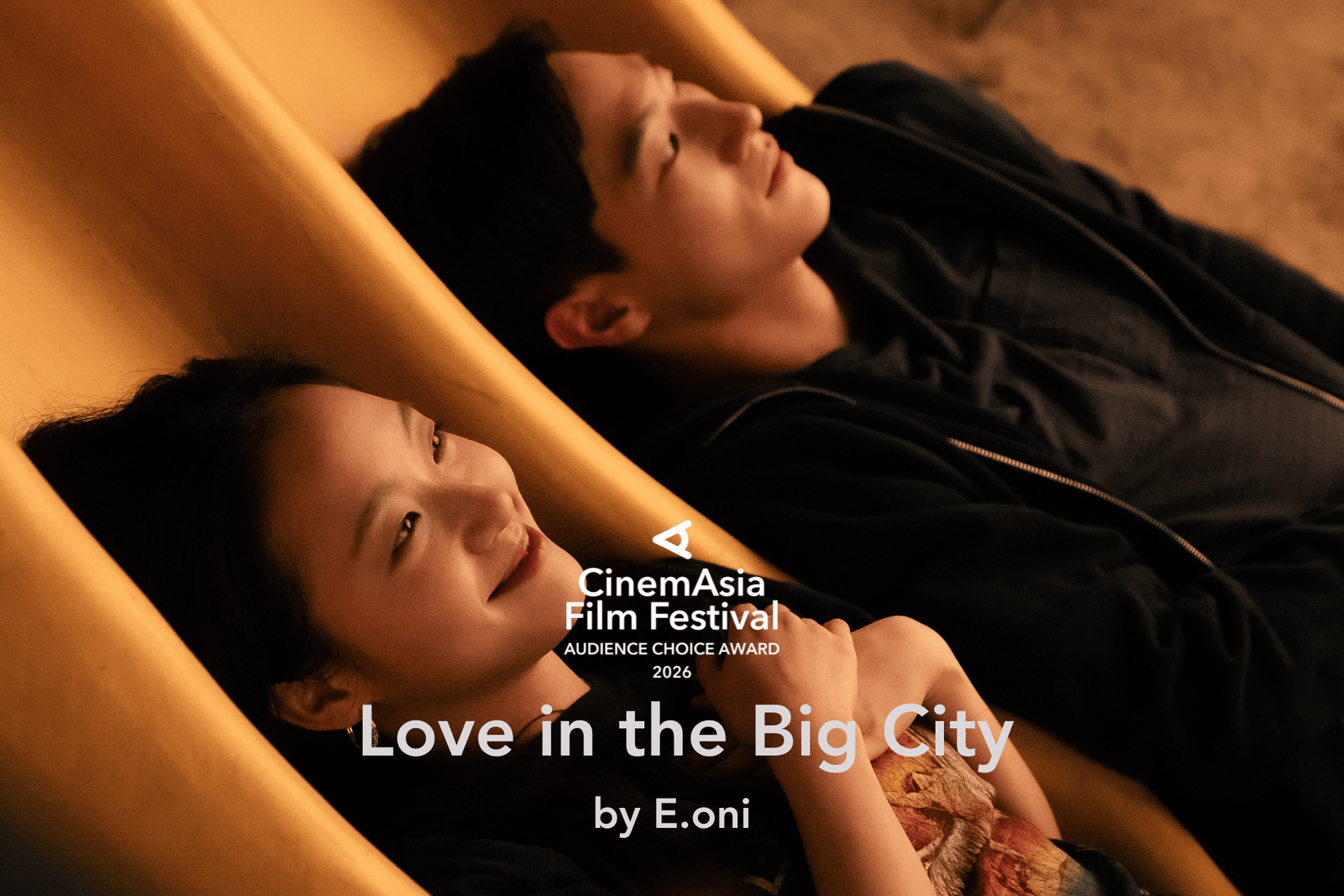
Still from Love in the Big City, Audience Award Winner, CinemAsia 2026.
Love in the Big City | 대도시의 사랑법 by E.oni
The Korean title for Love in the Big City can be interpreted two ways: “How a big city loves” or “How to love in a big city”. The first is a bit Sex and the City, the second is how the film reminded me of my early twenties in Seoul, navigating my city life, queerness, and the dramas young friendships bring. As the translator Anton Hur notes in the first English edition by Tilted Axis Press, “no one had told this story before, and it was my story”.
Queer stories need to be told, and are being told, despite the challenges faced by a well-financed anti-LGBTQ lobby in South Korea. One example: Art Sonje will host the country’s first dedicated queer show this Spring. Author Sang Young Park has said it took four years to find a male lead, given the reputational risk of portraying a gay character, but the film did come out, and boy are we glad!
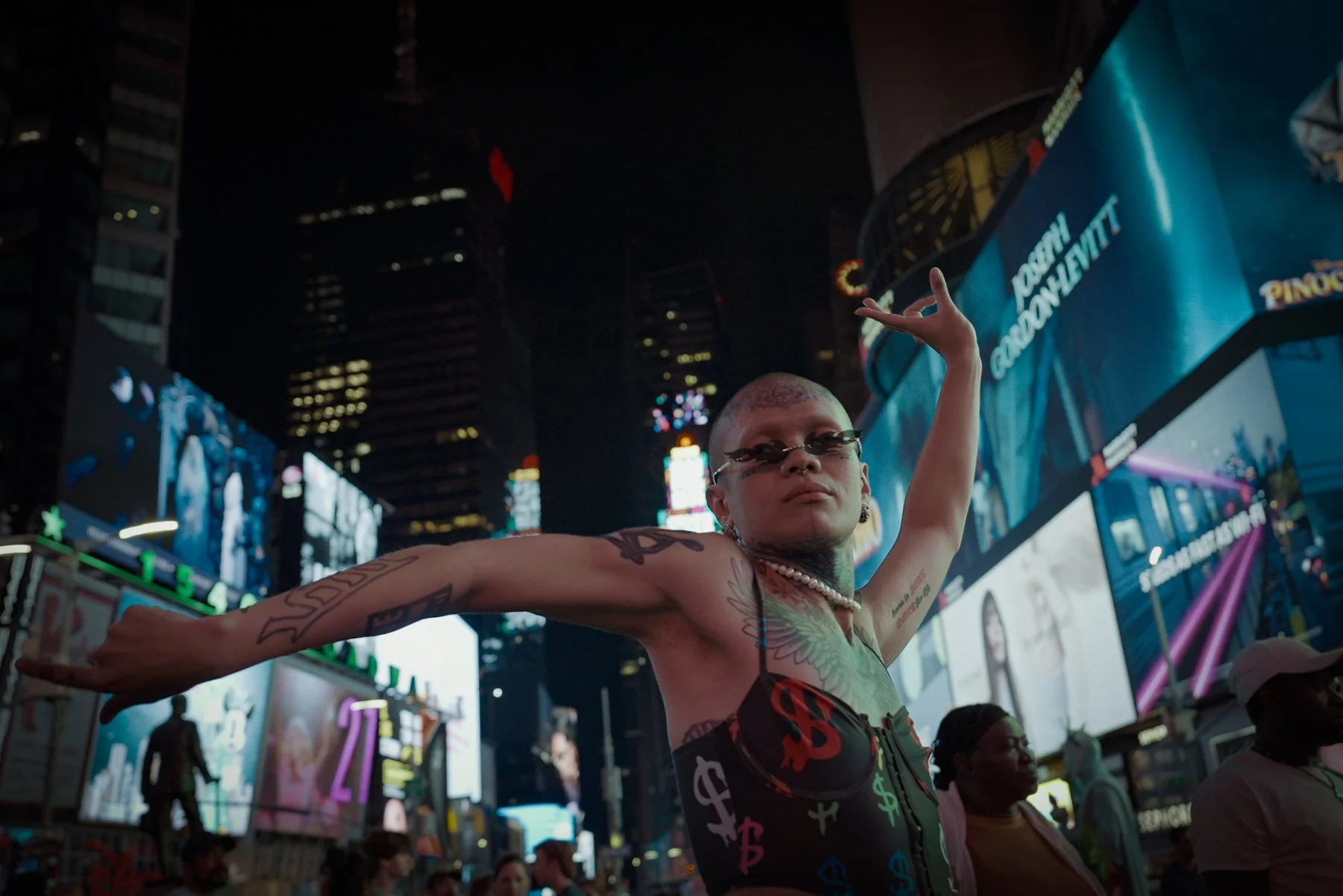
Still from 10 Across the Borders. Philippines, Singapore, Germany, 99’.
10 Across the Borders by Chan Sze-Wei
Ballroom has been spreading its wings around the world. Rooted in New York’s Black and Latinx queer scenes, the tight-knit community is a place for self-expression and for finding chosen family. From Malaysia and Thailand to the Philippines, our protagonists travel across the Asia Pacific and beyond to represent the region and to meet their chosen family. We get to see beyond the glitzy stage, peeking into the everyday life, tribulations and tears included, of three performers from very different backgrounds.
As Asian diasporas living in Europe, we also find our chosen family over food, shared experiences, and dreams of a future that includes us in the landscapes we inhabit. Whether queer or not, we all share a desire to connect and to be part of a larger social unit, over hot meals, laughs, and nostalgia.
Queer Nongkrong
Queerness has always been central to CinemAsia, a value highlighted in this special program, the nongkrong, a space inspired by the Indonesian spirit of spending time together. It’s a laid-back afternoon created by and for the queer Asian community, with low-stress activities that focus on connection, not perfection. From zine-making and crocheting, to making and using ink from soil, the afternoon is a small retreat where community forms naturally. Moluccan trans rights activist Dinah Bons also hosted a conversation on how to keep our ancestry close to heart as we navigate a world still deeply shaped by colonialism.
With the 2026 main festival concluded, we look forward to the CinemAsia On Tour programme, which will travel to Groningen, Den Haag, Rotterdam, and Maastricht in May and June. At a time when civil society and the arts are facing increasing pressure, spaces for connection and understanding are urgently needed. Thank you to everyone who made CinemAsia 2026 happen, we look forward to next year, and many more to come!
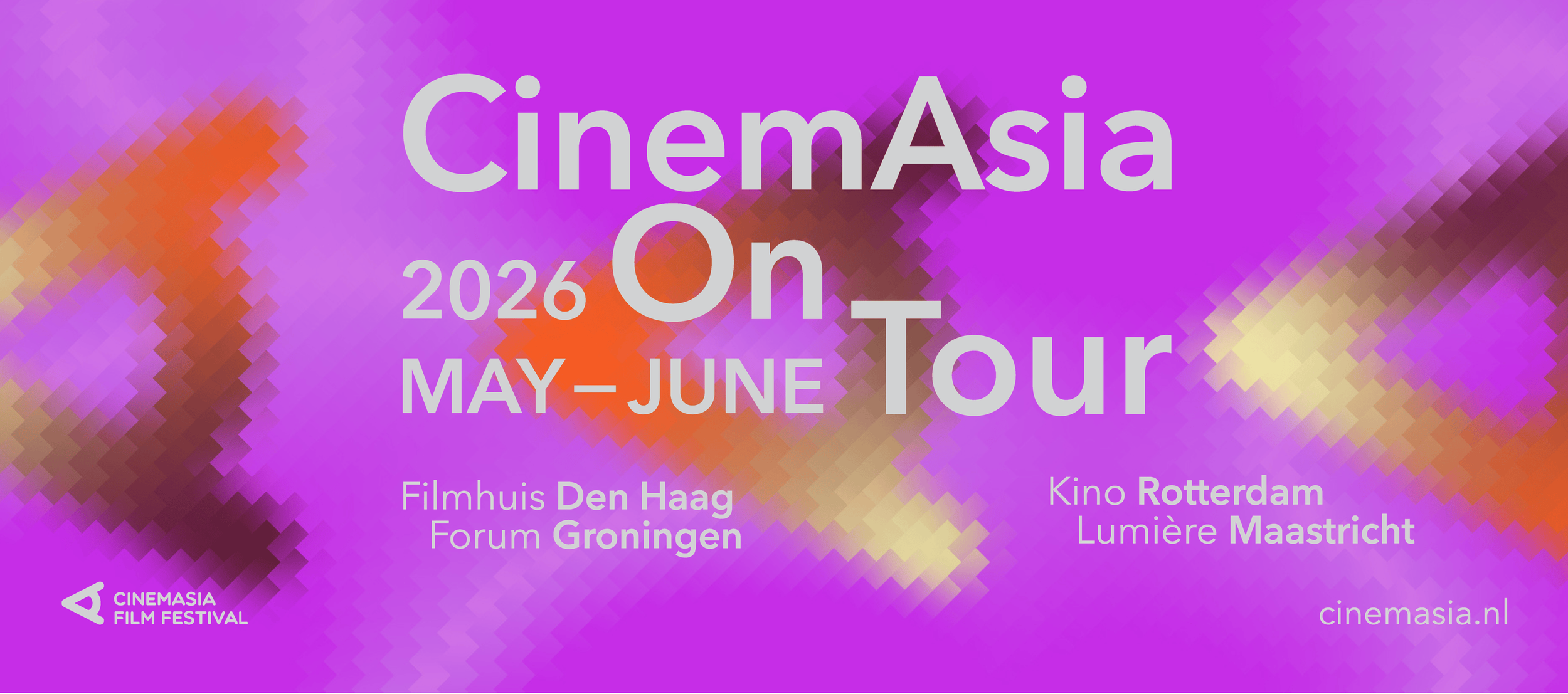
Join CinemAsia On Tour in the coming days across select cities in the Netherlands:
Filmhuis Den Haag (15–23 May)
Forum Groningen (22–24 May)
Kino Rotterdam (29–31 May)
Lumière Maastricht (12–14 June)
Author: Jiye
Editor: Riya
Image credits: CinemAsia and respective filmmakers

CinemAsia Film Festival
brings together stories from across Asia and its diaspora to enhance Asian visibility and empowerment in culture and media in the Netherlands. The festival aims to foster an inclusive society by enriching the public discourse on Asian culture through an intersection between Asian cinema, popular media, and community building.